

Infertility is defined as the inability to conceive after one year of regular, unprotected intercourse. However, for women over the age of 35, this timeframe is shortened

Ovarian reserve refers to the number of eggs a woman has in her ovaries. One of the most commonly used tests to assess ovarian reserve is the

Menopause is a natural biological process that typically occurs after the age of 45 and marks the end of a woman’s reproductive years. It is defined by
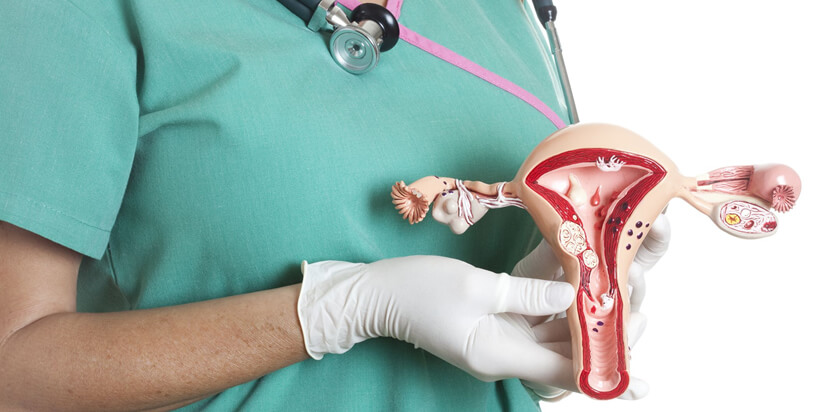
The uterus is one of the most important organs in the female reproductive system. Thanks to its unique inner structure, it allows the implantation and development of

Fallopian tubes, collectively called tubal, are a pathway for an egg released from the ovaries to the uterus. Tubal factor infertility happens when a blockage in the

Hypogonadotropic Hypogonadism, commonly referred to as “Hypo Hypo,” is a condition that affects both males and females. In this disorder, the male testes or female ovaries fail
Polycystic Ovary Syndrome (PCOS) is one of the most common health conditions affecting women worldwide. According to medical studies, approximately 8–13% of women of reproductive age are

Vaginismus is an involuntary contraction of the muscles around the vagina that occurs against your will. This condition makes the vaginal opening very narrow, making sexual activity